
Branding
Why Neurodiverse-Aware Design Matters
BeeUtiful Minds
Re-imagining what it means to support neurodivergent children & families.
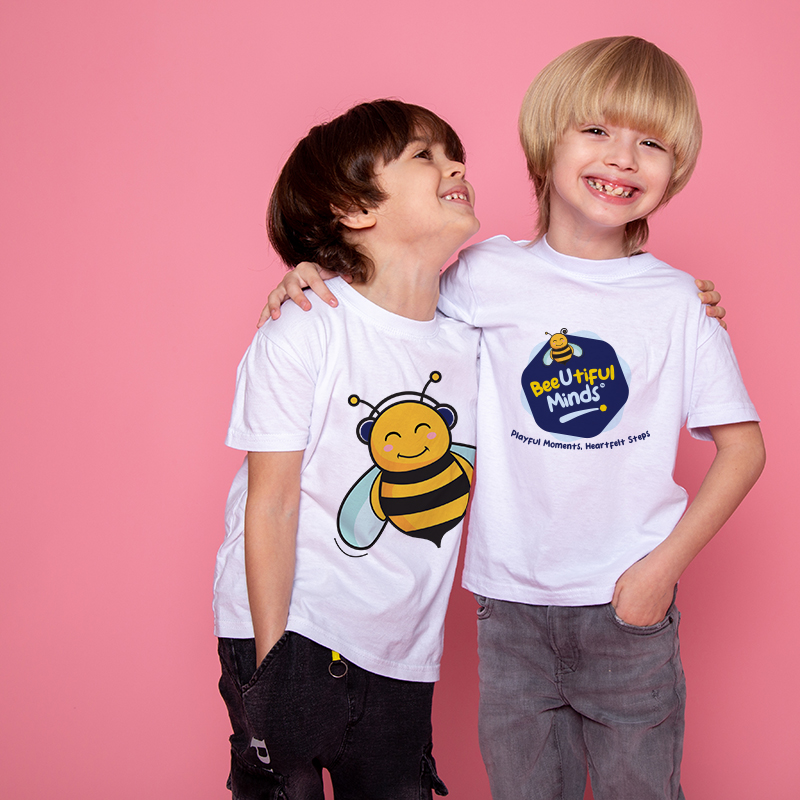
Design has the power to include, to exclude, to make someone feel seen or overlooked. For neurodivergent people—those with autism, ADHD, giftedness, or other learning differences—design choices can directly shape how accessible, welcoming, and affirming an environment feels. This is where neurodiverse-aware design becomes essential. It’s not about one universal “best” way to communicate or present information, but about creating flexible, thoughtful systems that recognise the beauty in difference.
Background
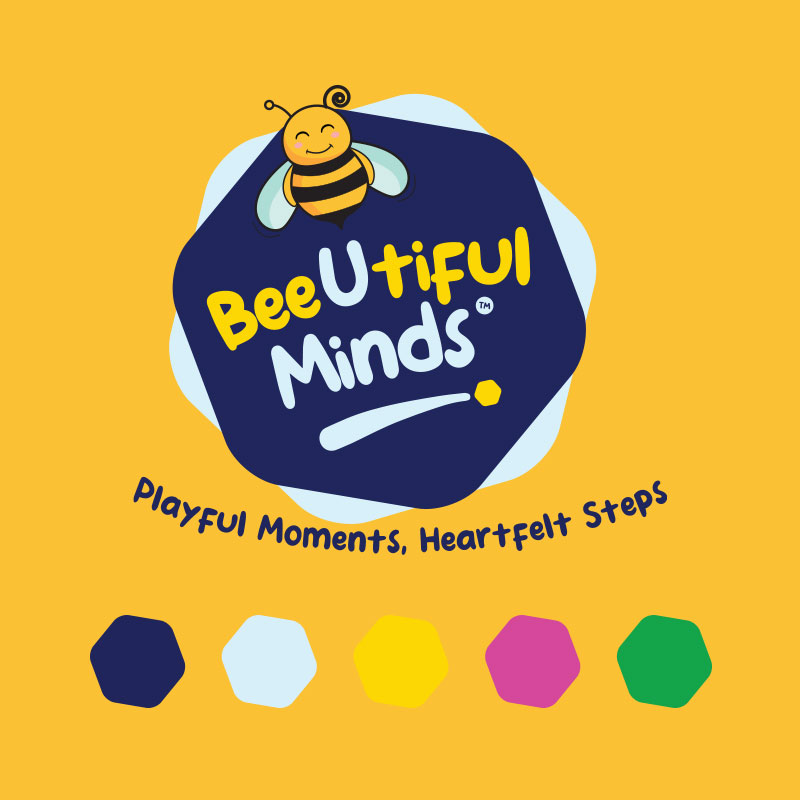
BeeUtiful Minds is an Irish organisation based in Donabate, Swords, and beyond, founded to give voice, visibility and care to neurodivergent children, their families, and educational communities. We designed their logo and brand guidelines to reflect a neuro-affirming identity: joyful, inclusive, and grounded in the belief that every mind is beautiful.
Approach
Leveraging bold colours, open typography, and a playful yet professional mark, the branding aims to communicate warmth, clarity, and confidence. We worked hand-in-hand with their team to embed core values — kindness, acceptance, growth — into every visual touchpoint: from digital presence to printed materials.
Scope
- Logo design & identity system
- Brand guideline creation
- Colour palette & typography definition
- Visual assets for print & online use
- Supporting materials for workshops, schools, family programmes
Practical Guidelines for Neurodiverse-Aware Design
When it comes to designing with neurodiverse needs in mind, small choices can make a big difference. Colour and contrast should be carefully balanced: high enough for readability, but not so harsh that they feel overwhelming. Typography, too, plays a role—clean, legible fonts with generous spacing are far more accessible than decorative ones that sacrifice clarity. Layouts work best when they’re simple and consistent, offering clear hierarchies and predictable navigation so users don’t feel lost or overloaded.
The same applies to language: plain, direct words tend to resonate more than jargon-heavy or overly complex sentences, and pairing text with visuals can make information easier to digest. Sensory elements deserve special care as well; flashing animations, sudden sounds, or auto-playing videos may be engaging for some but uncomfortable for others, so giving people the option to control these features shows respect and empathy. Above all, neurodiverse-aware design is about flexibility—offering multiple ways to engage with content and remaining open to feedback. We should see this as an evolving journey: learning, adapting, and creating spaces where everyone can feel comfortable and valued.
© Wiley Design 2016 - 2025 | Dublin K36 RC41 | Let's chat