
Designing for the Neurodiverse
Creative Communications
It’s no secret that digital products shape a huge part of how we live, work and communicate.
Digital spaces play a huge role in how we access information, services and opportunities. But for many neurodiverse people, these spaces can feel overwhelming, confusing or unnecessarily difficult to use. If you’ve ever opened a website and felt instantly fatigued, distracted or unsure where to look, you’re not alone — and it’s not a failure on your part.
Why neurodiverse-friendly design matters
Neurodiversity includes a wide range of cognitive differences, such as autism, ADHD, dyslexia and anxiety-related conditions. These differences influence how people read, focus, process information and respond to visual or sensory input.
Unfortunately, many digital products are still designed around a narrow idea of how users “should” behave. Fast-paced interactions, cluttered layouts and dense content often prioritise aesthetics or novelty over comfort and clarity.
Designing with neurodiverse users in mind isn’t about lowering standards — it’s about raising them. When design works well for neurodiverse people, it usually works better for everyone.
What neurodiverse-centred design looks like
Good neurodiverse design doesn’t shout. It feels intuitive, predictable and respectful of the user’s attention.
Clear structure is key. Pages are easy to scan, navigation makes sense, and users are never left guessing what will happen next. Content is broken down into manageable sections, making it easier to engage at a pace that feels comfortable.
Visual decisions are intentional rather than overwhelming. Colour is used thoughtfully, typography is readable, and unnecessary distractions are avoided. Motion and animation — if used at all — are subtle and purposeful, not attention-grabbing for the sake of it.
Language also plays an important role. Clear, plain language helps users understand what’s being asked of them without confusion or anxiety. Instructions are direct, and expectations are communicated upfront.
Choosing a designer who understands neurodiversity
If you’re a neurodiverse individual or an organisation serving a neurodiverse audience, choosing the right designer can make all the difference.
A neurodiverse-aware designer will ask the right questions early on. They’ll want to understand who your audience is, what challenges they face, and what success looks like beyond surface-level metrics. They’ll prioritise usability, clarity and comfort alongside brand and visual appeal.
They’ll also be open to collaboration and feedback. Neurodiverse-friendly design is not one-size-fits-all — it evolves through listening, testing and refining.
Most importantly, they’ll understand that accessibility and aesthetics are not opposites. A design can be calm without being boring, structured without being rigid, and inclusive without losing personality.
Designing for trust and comfort
For neurodiverse users, trust is built through consistency and transparency. Knowing what to expect reduces anxiety and makes interactions feel safer. Thoughtful design respects attention, reduces cognitive effort and allows users to focus on what matters to them.
Whether you’re commissioning a new website, redesigning an existing product or looking to better support your audience, neurodiverse-friendly design is an investment in inclusion — and in better experiences overall.
Summary
Neurodiverse people don’t need to be “fixed” by design — they need to be supported by it. When designers work with neurodiversity in mind, digital experiences become more human, more accessible and more effective.
If you’re looking for a designer who understands neurodiverse audiences and designs with empathy, clarity and care, the right partnership can transform how your digital space feels.
Looking to create something that truly works for your audience? Let’s chat.
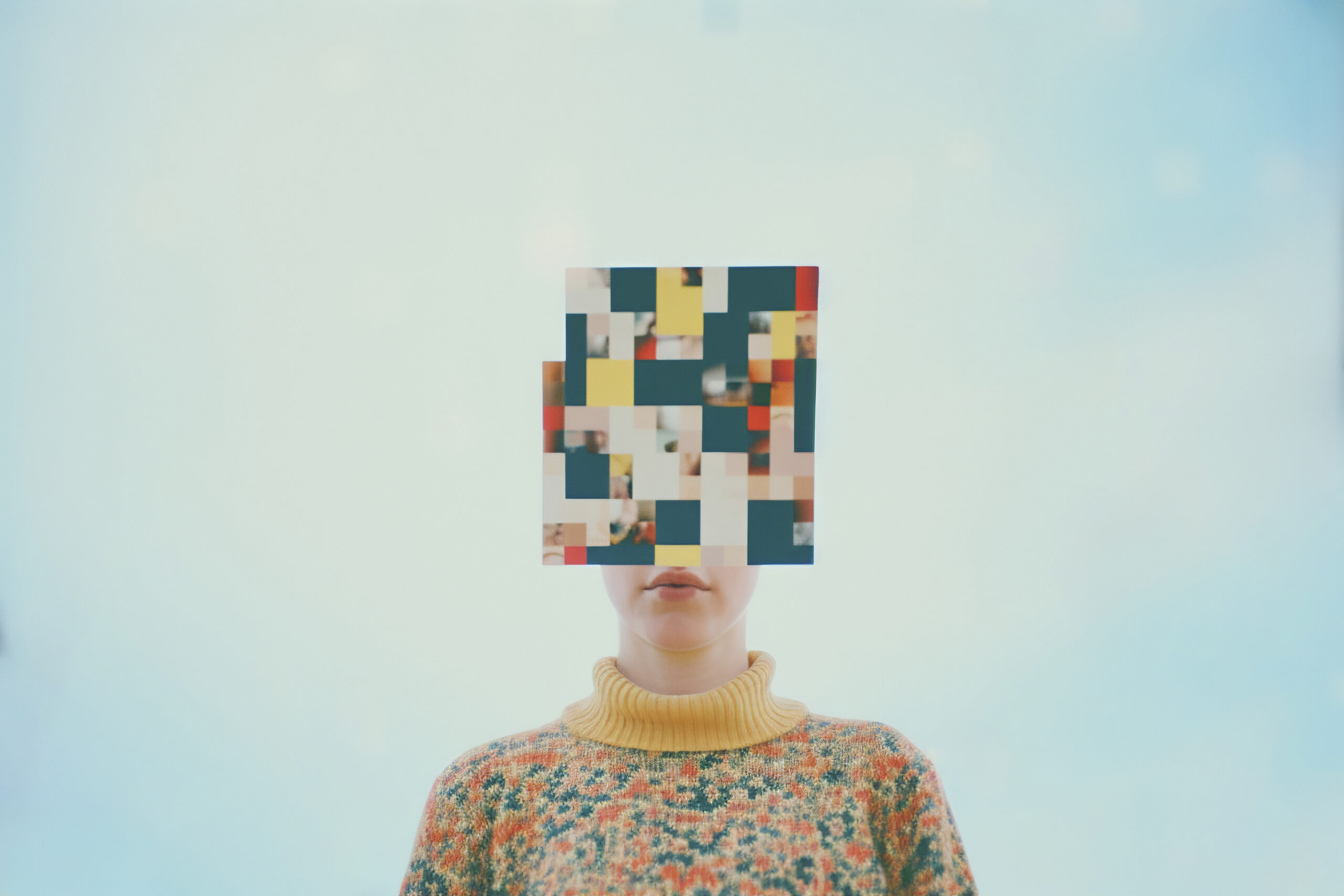
Design has the power to either create friction or remove it. When neurodiversity is considered from the start, digital experiences become calmer, clearer and far more supportive.



Have a project in mind?
Lets chat.
hello@wileydesign.ie
+353 86 334 0350
Donabate, Dublin, K36 RC41
Brand Strategy
Creative Communications
Digital Design